
Roof Care

Wet Area Waterproofing

Wet Area waterproofing

Wet area waterproofing is a specialized waterproofing system designed to protect areas that are regularly exposed to water and moisture, such as bathrooms, toilets, kitchens, balconies, laundries, and utility rooms. Its main purpose is to prevent water leakage, seepage, and moisture penetration that can damage structural elements and affect adjacent spaces or lower floors.
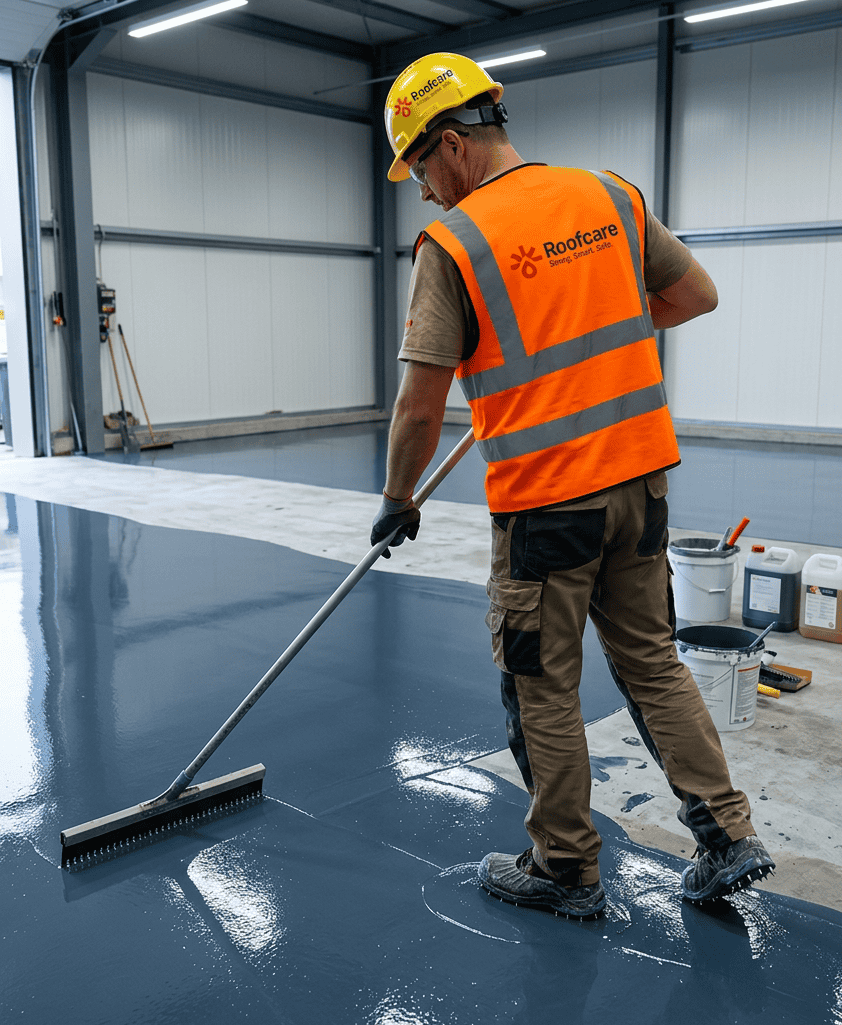
The system typically involves the application of liquid-applied membranes or sheet membranes over prepared concrete or screed surfaces, forming a continuous, seamless, and fully bonded waterproof barrier. Special attention is given to critical details such as floor-to-wall junctions, corners, pipe penetrations, and drains, where additional reinforcement is applied to ensure complete watertight integrity.
Once cured or installed, the waterproofing layer effectively resists water exposure, prevents dampness, mold growth, and tile failure, and enhances the durability and hygiene of the finished area. Wet area waterproofing is an essential component of building construction, ensuring long-term protection and performance in both residential and commercial projects. 
Application Procedure

Substrate Inspection & Cleaning

Thoroughly inspect substrate condition and environmental factors including wind speed, humidity levels, and surface moisture content, ensuring all parameters comply strictly with manufacturer’s specifications before proceeding.

Angle Fillet & Corner Treatment

Precisely spray-apply the polyurethane foam in multiple passes to achieve the required thickness, creating a seamless, self-bonding insulation layer across the entire deck.

Reinforcement of Critical Details

Apply a UV-resistant protective base coat over the cured foam to seal the surface and provide an immediate waterproof secondary shield.

Bond-Breaker Installation

Install a separation layer of non-woven geotextile followed by the formation of precise slopes using lightweight screed to ensure efficient water drainage.

Layered Membrane Application

Lay the protective concrete screed to specified gradients, providing a durable walking surface and mechanical protection for the underlying layers.

Drain & Pipe Flashing

Detail all critical areas, including expansion joints and wall-to-floor junctions, with specialized sealants and cementitious coving to eliminate leak-prone corners

Flood Testing & Quality Check

Apply the final, heavy-duty waterproof membrane over the finished screed and parapets for a complete, multi-layered customization of the roof’s defense system.

Got Questions? We’re Here to Help

1. What is wet area waterproofing?
Wet area waterproofing is a specialized waterproofing service designed to protect moisture-prone spaces such as bathrooms, kitchens, balconies, laundries, and utility rooms from water leakage and structural damage. In Dubai and across the UAE, wet area waterproofing is essential for preventing hidden moisture issues, mold growth, and costly repairs in residential and commercial properties.
2. Which areas require wet area waterproofing?
Wet area waterproofing is required in bathrooms, shower areas, kitchens, balconies, terraces, utility rooms, and any interior spaces exposed to regular water contact. For villas, apartments, and commercial buildings in Dubai, proper waterproofing ensures long-term structural protection and leak prevention.
3. How does wet area waterproofing prevent leakage?
Wet area waterproofing creates a sealed protective membrane beneath tiles and surface finishes, preventing water from penetrating into concrete slabs and wall structures. This is especially important in Dubai buildings, where moisture intrusion can lead to hidden structural damage and expensive repairs.
4. Why is wet area waterproofing important for villas in Dubai?
Wet area waterproofing is critical for villas in Dubai because water leakage from bathrooms, kitchens, and balconies can damage ceilings, walls, flooring, and internal structural components. Professional wet area waterproofing protects high-value residential properties and helps maintain long-term building integrity.
5. Can wet area waterproofing prevent mold growth?
Yes, professional wet area waterproofing prevents moisture accumulation, which is the primary cause of mold and mildew growth. For residential and commercial properties in Dubai, this improves indoor air quality, protects finishes, and ensures healthier living and working environments.
6. What materials are used for wet area waterproofing?
Wet area waterproofing typically uses liquid membranes, cementitious waterproof coatings, polyurethane waterproofing systems, sealants, and protective membrane layers. Roofcare uses premium waterproofing materials designed for UAE building standards.
7. How does Roofcare deliver wet area waterproofing services?
Roofcare provides complete wet area waterproofing solutions in Dubai through detailed site inspection, substrate preparation, membrane application, sealing, and quality testing. Our waterproofing specialists ensure every bathroom, balcony, and wet area receives reliable long-term leak protection.
8. How does wet area waterproofing increase structural lifespan?
By preventing water penetration and moisture damage, wet area waterproofing protects concrete structures, finishes, reinforcement steel, and interior surfaces. This significantly extends the lifespan of villas, apartments, and commercial buildings across Dubai and the UAE.
Scroll to Top